

Team leader : Hélène Castel
Research Activites

Publications

Members

Contacts

Our Supports
 Research activities
 Research activities
The NeuroGlio team develops a fundamental, genetic, and translational program in Neuro-oncology, aiming to understand the immuno-inflammatory or immunosuppressive mechanisms of peripheral and cerebral cancers such as adult and pediatric gliomas, and the contribution of the immune and nervous microenvironments to treatment resistance. In this global project, we search for original targets and test new therapeutic strategies and immunotherapies to combine therapeutic efficacy with the preservation/rehabilitation of cerebral and cognitive functions.
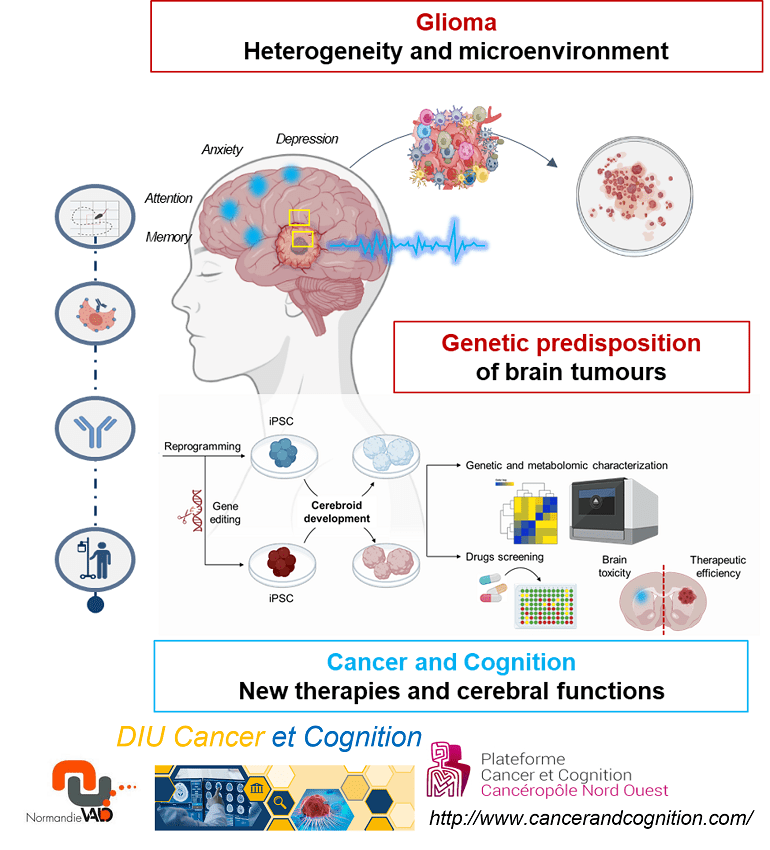
We work on two complementary axes:
- Brain Tumors, Microenvironment and Therapeutic Strategies
- Establish an ambitious and innovative research program on genetic risk factors (Li-Fraumeni, etc.) for brain tumors, particularly pediatric ones, using cerebral organoids. We have highlighted alterations in neurodevelopment and cytokinesis in complex and vascular cortical organoids, as well as choroid plexus or cerebellum organoids, and currently investigate therapeutic tools and strategies, as well as neurotoxicity.
- Study the role of mechanical constraints in the vascular and immune niches on glioblastoma recurrence using scRNAseq and proteomic methods.
- Test and demonstrate the role of G protein-coupled receptors (GPCRs) (urotensin II receptor, etc.) in cerebral pathological pathways involving brain blood barriers such as subarachnoid hemorrhage or angiogenesis in glioblastoma, in murine preclinical models, KO or KI humanized for the receptor of interest (UT receptor).
- Evaluate specific, biased compounds or ligands of these receptors or receptor oligomers in the prevention and/or treatment of inflammatory and cerebrovascular pathologies, in vitro in recombinant cellular models and in vivo in murine preclinical models.
- Show the impact of G proteins or platform proteins (Filamin A) on glioblastoma invasion and aggressiveness in 2D and 3D culture models and tumoroids prepared from patient glioma samples.
- Finely study the intracellular vesicular trafficking orchestrated by autophagy proteins ATG5 and ATG9A, and the ATG9 partner proteins overexpressed in the mesenchymal subtype of glioblastoma and associated with a poor prognosis, using STED and TIRF methods.
- Target the mechanisms of glioblastoma invasion and recurrence, and the role of the nervous microenvironment, particularly how hyperexcitability, axonal conduction, and white matter favor glioblastoma growth (electrophysiological recordings of axonal activities and optogenetic methods).
- Study possibilities for local therapy by modifying the immunosuppressive environment of glioblastoma through injections of matrices, biomaterials, and hydrogels into the glioblastoma resection cavity; the goal is to create tumor traps using chemokines, control the inflammatory status of tumor macrophages and allow for tissue repair during treatment.
- Impact of Cancer and Cancer Therapies on Neurobiological and Cognitive Functions
- Study the role of new-generation hormonal therapies on emotional reactivity, cognitive functions, and neurofatigue in aged mice, and the impact of a chemotherapy on the dysregulation of the gut microbiota balance, systemic inflammation, and neuroinflammation, responsible for “neurofatigue” and cognitive deficits.
- Demonstrate the role of cancer extracellular vesicles on cognitive functions and neuroinflammation in tumor-bearing preclinical behavioral models.
- Evaluate organoid models of brain cancer (glioma) or pancreas cancer, the role of nervous regulation on tumor growth using cancer-nerve/cortex assembloids, as well as behavioral animal models.
The strength of the NeuroGlio team lies in complementary and multidisciplinary expertise in molecular and cellular biology targeting the migration and invasion of cancer cells, in the design and validation of dynamic cell imaging tools, in the establishment of behavioral murine cancer models, in electrophysiology on organotypic slices and in vivo, and even in optogenetics, as well as in the development of organoids and cerebroids—strategies and models that we wish to use for our research projects on cerebral oncogenesis and evaluation/prevention of brain toxicities.
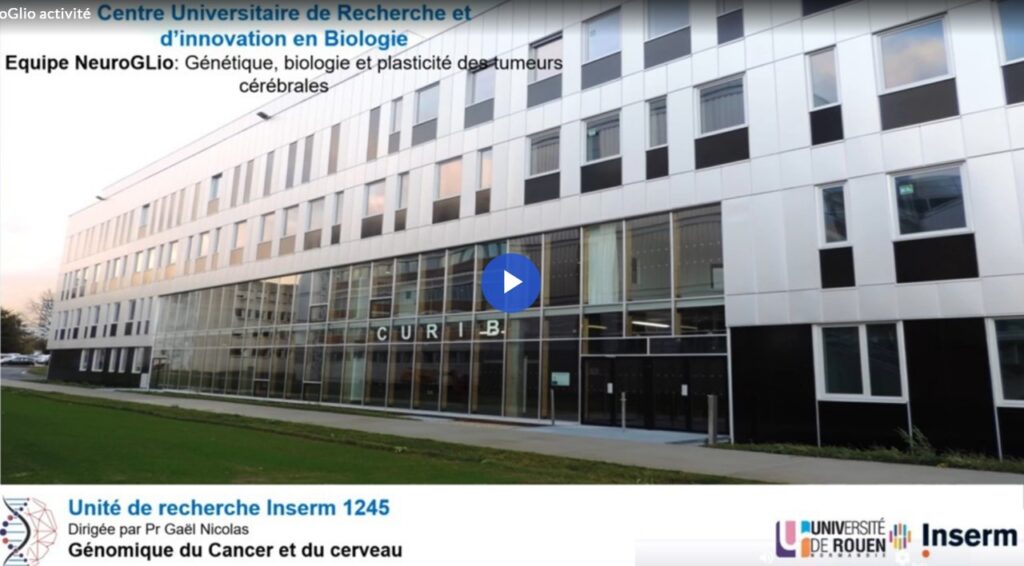
NeuroGlio team’s activities
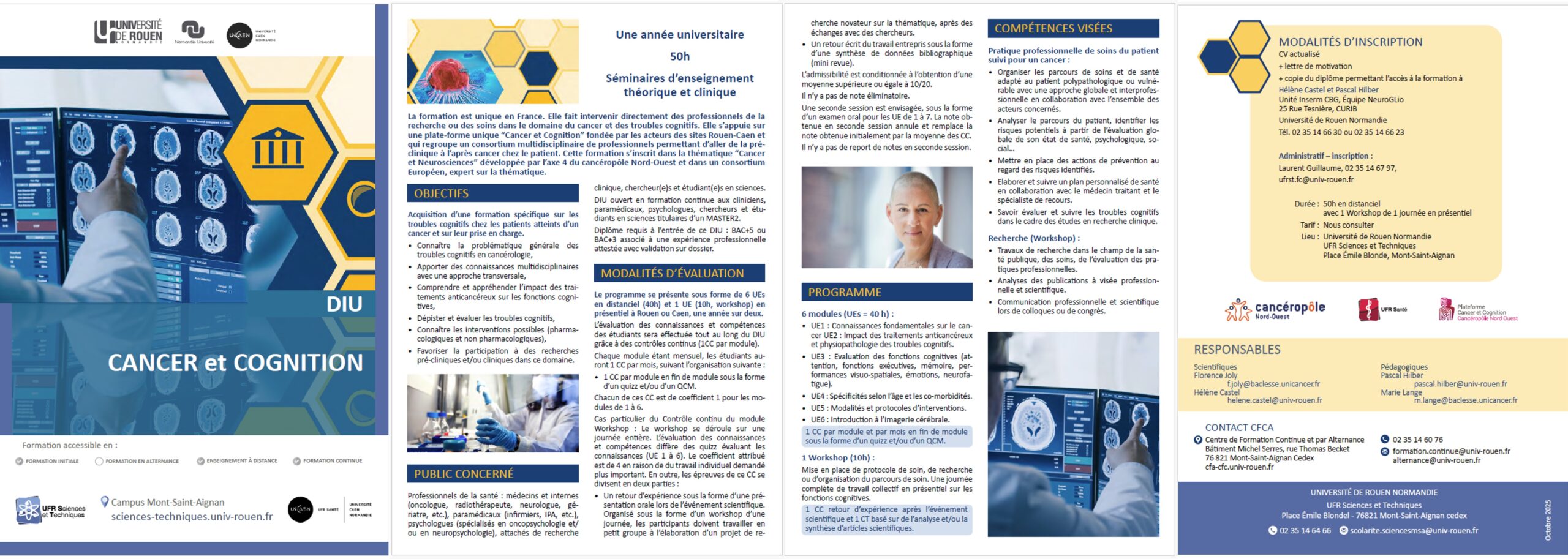
Cancer and Cognition Plateform Cancéropôle Nord-Ouest

Cancer and cognition inter-university diploma
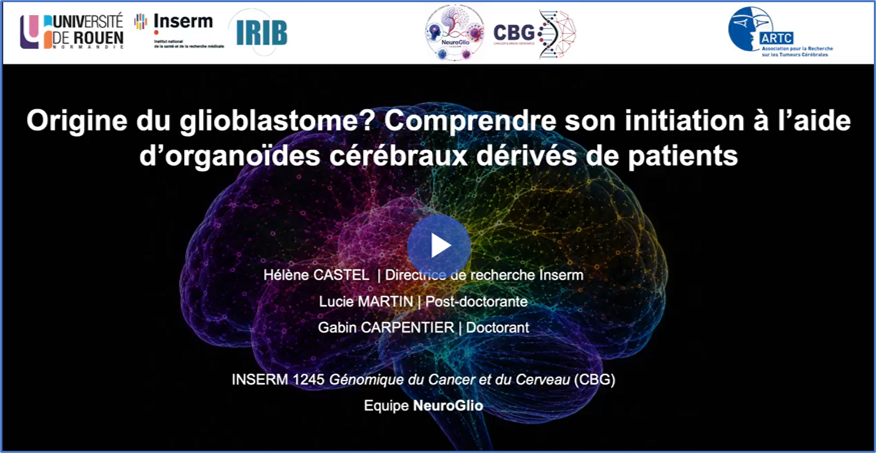
Explaining a Complex Project in Simple Terms: Why Glioblastoma Develops
Pint of Science Festival 2026: PhD student Camille Cochois knows how to share her knowledge!
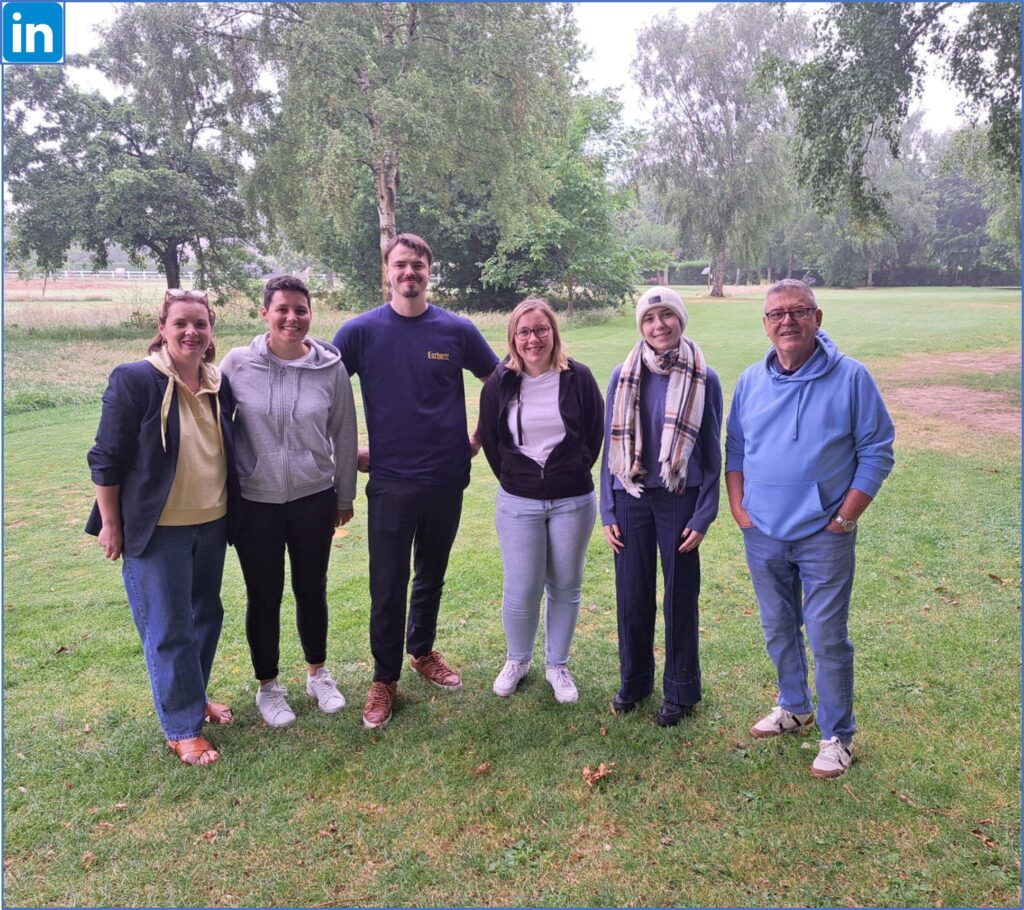
Young researchers from the team alongside young people affected by cancer
Flagship publications
 Flagship publications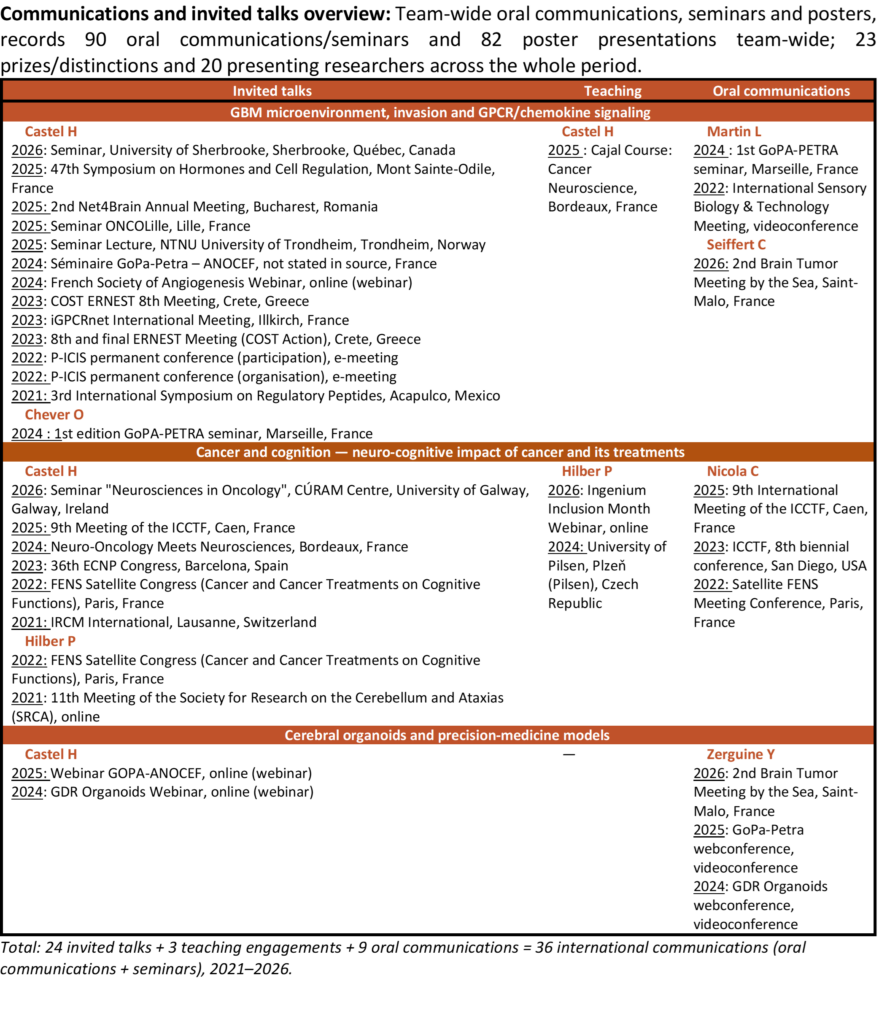
Patents

Original articles
Nicola C, Pedard M, Dubois M, Desrues L, Neveu P, Martin L, Riou G, Johnston I, Dembélé KP, Lecras P, Vaudry D, Adriouch S, Joly F, Hilber P, Wurtz O, Castel H*. Differential effects of PD-1 and PD-L1 immune checkpoint inhibition on cognition and anxiety-like behavior through γδT cells and tumor-dependent neuroinflammation. Nat Commun, in review. Preprint posted 2026 Jun 3. doi: 10.21203/rs.3.rs-9519248/v1.
Seiffert C, Habbeddine N, Grenet M, Martin L, Campisi D, Schapman D, Bénard M, Desrues L, Gandolfo P, Castel H, Morin F*. The autophagy protein ATG9A exerts a non-canonical function in actin-dependent endosomal trafficking. Submitted.
Beaufort Q, Charbonnier C, Ruellan P, Ozkul-Wermester O, Amar V, Turpin D, Quillard-Muraine M, Gerardin E, Dufour D, Charidimou A, Balageas AC, Boulouis G, Pasi M, Wallon D, Grangeon L. Evaluation of Disease Severity Using CSF Biomarkers in Patients With Probable Cerebral Amyloid Angiopathy. Neurology. 2026 Sep 22;107(6):e218458. doi: 10.1212/WNL.0000000000218458. PMID: 42691466. https://pubmed.ncbi.nlm.nih.gov/42691466/
Merlette M, Rouchaud A, Mounayer C, Shotar E, Papagiannaki C, Couquet C, Forestier G, Crampon F, Garrido E, Gerardin E, Clarençon F, Burel J. Practical arterial atlas of the pig for neurointerventional simulation. J Neurointerv Surg. 2026 Aug 17;18(9):1940-1947. doi: 10.1136/jnis-2025-024149. PMID: 41047221. https://pubmed.ncbi.nlm.nih.gov/41047221/
Vautier S, Levacher C, Marguet F, Kasper E, Sabourin JC, Baert-Desurmont S, Ruminy P, Houdayer C. Unraveling Circular and Messenger RNA Dynamics in Colorectal Tumorigenesis: Insights into Tissue Heterogeneity and MSI-MSS Tumor Distinction. Genes (Basel). 2026 Sep 10;17(9):1091. doi: 10.3390/genes17091091. PMID: 42792985. https://pubmed.ncbi.nlm.nih.gov/42792985/
Zunino C, Rabaux E, Marguet F, Mafrici M, Muraine M, Lorenzi U. Hemorrhagic retinal cysts revealing astrocytic glial hyperplasia 20 years after vitrectomy for post-traumatic retinal detachment. Eur J Ophthalmol. 2026 May;36(3):761-766. doi: 10.1177/11206721251407374. PMID: 41442248. https://pubmed.ncbi.nlm.nih.gov/41442248/
Bertucci A, Dufour O, Appay R, Harlay V, Ducray F, Bronnimann C, Djelad A, Cohen-Jonathan Moyal E, Campone M, Langlois O, Ducloie M, Vauleon E, Younan N, Desenclos C, Ramirez C, Touat M, Idbaih A, Bequet C, Figarella-Branger D, Dehais C, Chinot O, Tabouret E; POLA network. Characteristics, outcome, and prognostic factors of young patients with central nervous system World Health Organization grade 3 oligodendrogliomas IDH-mutant and 1p/19q codeleted: A French POLA network study. Cancer. 2025 Apr 1;131(7):e35814. doi: 10.1002/cncr.35814. PMID: 40159303. https://pubmed.ncbi.nlm.nih.gov/40159303/
Brunet L, Alexandre D, Lee J, Blanquer-Rosselló MDM, Bracquemond D, Guernet A, Chhouri H, Goupil M, Kherrouche Z, Arabo A, Mancini M, Cartier D, Yao S, Godefroy D, Dehedin J, Li JR, Duparc C, Jamme P, Vinchent A, Bérard C, Tulasne D, Arena S, Bardelli A, Cheng C, Cho BC, Wurtz O, Coulouarn C, Maraver A, Aaronson SA, Cortot AB, Anouar Y, Grumolato L. Prolonging lung cancer response to EGFR inhibition by targeting the selective advantage of resistant cells. Nat Commun. 2025 Aug 22;16(1):7853. doi: 10.1038/s41467-025-61788-w. PMID: 40846697. https://pubmed.ncbi.nlm.nih.gov/40846697/
Duivon M, Christy F, Thomas E, Lequesne J, Castel H, Gaudin C, Delmas D, Boyault S, Rigal O, Bousrih C, Lévy C, Lerebours F, Di Meglio A, Ganz PA, Van Dyk K, Vaz Luis I, Lange M, Joly F. Interaction between APOE ε4 status, chemotherapy and endocrine therapy on cognitive functioning among breast cancer survivors: the CANTO-Cog longitudinal study. Breast Cancer Res. 2025 Feb 19;27(1):25. doi: 10.1186/s13058-025-01974-2. PMID: 39972319. https://pubmed.ncbi.nlm.nih.gov/39972319/
Duplan E, Bernardin A, Goiran T, Leroudier N, Casimiro M, Pestell R, Tanaka S, Malleval C, Honnorat J, Idbaih A, Martin L, Castel H, Checler F, Alves da Costa C*. α-synuclein expression in glioblastoma restores tumor suppressor function and rescues temozolomide drug resistance. Cell Death Dis. 2025 Mar 19;16(1):188. doi: 10.1038/s41419-025-07509-z. PMID: 40108111. https://pubmed.ncbi.nlm.nih.gov/40108111/
Jaffres E, Dacher JN, Taalba M, Roca F, Garnier M, Normant S, Lozouet M, Gérardin E, Burel J. Possible limited justification for systematic head computed tomography scans based solely on antithrombotic therapy in elderly patients (aged 75 or older) with mild traumatic brain injury. Res Diagn Interv Imaging. 2025 Jan 16;13:100053. doi: 10.1016/j.redii.2024.100053. PMID: 39897447. https://pubmed.ncbi.nlm.nih.gov/39897447/
Kacimi SEO, Dehais C, Feuvret L, Chinot O, Carpentier C, Bronnimann C, Vauleon E, Djelad A, Cohen-Jonathan Moyal E, Langlois O, Campone M, Ducloie M, Noel G, Cuzzubbo S, Taillandier L, Ramirez C, Younan N, Menei P, Dhermain F, Desenclos C, Ghiringhelli F, Bourg V, Ricard D, Faillot T, Appay R, Tabouret E, Nichelli L, Mathon B, Thomas A, Tran S, Bielle F, Alentorn A, Iorgulescu JB, Boëlle PY, Labreche K, Hoang-Xuan K, Sanson M, Idbaih A, Figarella-Branger D, Ducray F, Touat M; POLA Network. Survival Outcomes Associated With First-Line Procarbazine, CCNU, and Vincristine or Temozolomide in Combination With Radiotherapy in IDH-Mutant 1p/19q-Codeleted Grade 3 Oligodendroglioma. J Clin Oncol. 2025 Jan 20;43(3):329-338. doi: 10.1200/JCO.24.00049. PMID: 39356975. https://pubmed.ncbi.nlm.nih.gov/39356975/
Lesueur P, Joly F, Clarisse B, Lequesne J, Stefan D, Balosso J, Lange M, Thureau S, Capel A, Castera M, Legrand B, Goliot N, Grellard JM, Tessonnier T, Castel H, Valable S. Neurocognitive impact of different irradiation modalities for patients with grade I-II skull base meningioma: a prospective multi-arm cohort study (CANCER COG). Radiat Oncol. 2025 Jan 29;20(1):16. doi: 10.1186/s13014-025-02591-1. PMID: 39881369. https://pubmed.ncbi.nlm.nih.gov/39881369/
Marque T, Dumas V, Agripnidis T, Zhu F, Charbonnier G, Donnard B, Holay Q, Darcourt J, Scarcia L, Guédon A, L’Allinec V, Girot JB, Marnat G, Forestier G, Bellanger G, Alias Q, Bonnard L, Bourcier R, Allard J, Bretzner M, Coudert R, Rouchaud A, Hak JF, Lefebvre M, Gerardin E, Papagiannaki C, Burel J; JENI-Research Collaborative. Imaging follow-up of unruptured intracranial aneurysms treated with flow diverter: Insights from a French collaborative survey. J Neuroradiol. 2025 May;52(3):101338. doi: 10.1016/j.neurad.2025.101338. PMID: 40174673. https://pubmed.ncbi.nlm.nih.gov/40174673/
Mayindza Ekaghba EL, Koumba Madingou NO, Grenet M, Gandolfo P, Perruchon O, Loutelier-Bourhis C, Schmitz I, Afonso C, Lerouge P, Mengome LE. Phytochemical Profile, Biological Activities and Potential Involvement of Opioid Receptors in Antinociceptive Effects of a Canarium schweinfurthii Engl. Int J Plant Anim Environ Sci. 2025. doi: 10.26502/ijpaes.4490177.
Patel A, Gerardin E, Poujol J, Dacher JN, Savoye-Collet C, Delpierre C, Wallon D, Chassagne P, Grangeon L, Burel J. Two-dimensional T2*-weighted multi-shot echo-planar imaging to detect cerebral microbleeds in neurocognitive disorders: A time-efficient alternative to susceptibility weighted angiography. Eur J Radiol. 2025 Feb;183:111915. doi: 10.1016/j.ejrad.2025.111915. PMID: 39764866. https://pubmed.ncbi.nlm.nih.gov/39764866/
Pulcini S, Beaussire-Trouvay L, Marguet F, Viailly PJ, Langlois O, Alexandru C, Tennevet I, Di Fiore F, Sarafan-Vasseur N, Fontanilles M*. The clinical impact of EGFR alterations in elderly glioblastoma patients: results from a real-life cohort. J Neurooncol. 2025 Feb;171(3):619-628. doi: 10.1007/s11060-024-04879-w. PMID: 39549128. https://pubmed.ncbi.nlm.nih.gov/39549128/
Saracino D, Cipriano L, Houot M, Querin G, Rinaldi D, Rametti-Lacroux A, Wallon D, Gerardin E, Couratier P, Boncoeur MP, Lebouvier T; PREV-DEMALS and STRATALS study groups; Colliot O, Pradat PF, Migliaccio R, Le Ber I. Quantifying multimodal longitudinal brain changes in presymptomatic C9orf72 disease. Alzheimers Dement. 2025 Dec;21(12):e70902. doi: 10.1002/alz.70902. PMID: 41366786. https://pubmed.ncbi.nlm.nih.gov/41366786/
Stefan D, Lesueur P, Lequesne J, et al., Fontanilles M. Olaparib, Temozolomide, and Concomitant Radiotherapy for Partially Resected or Biopsy-Only Glioblastoma First-Line Treatment: OLA-TMZ-RTE-01 Phase I Study. Clin Cancer Res. 2025. PMID: 39882966. https://pubmed.ncbi.nlm.nih.gov/39882966/
Tauziède-Espariat A, Dangouloff-Ros V, Sievers P, Duchesne M, Siegfried A, Nicaise Y, Boddaert N, Hasty L, Métais A, Ngo C, le Loarer F, Bouvier C, Fontaine A, Rousseau A, Marguet F, Beccaria K, Blauwblomme T, Uro-Coste E, Varlet P; RENOCLIP-LOC. Glioneuronal tumors PATZ1-fused: clinico-molecular and DNA methylation signatures for a variety of morphological and radiological profiles. Acta Neuropathol Commun. 2025 May 24;13(1):114. doi: 10.1186/s40478-025-02037-5. PMID: 40413488. https://pubmed.ncbi.nlm.nih.gov/40413488/
Daban A, Beaussire-Trouvay L, Lévêque É, Alexandru C, Tennevet I, Langlois O, Veresezan O, Marguet F, Clatot F, Di Fiore F, Sarafan-Vasseur N, Fontanilles M*. Prognostic value of circulating short-length DNA fragments in unresected glioblastoma patients. Transl Oncol. 2024 Apr;42:101897. doi: 10.1016/j.tranon.2024.101897. PMID: 38340682. https://pubmed.ncbi.nlm.nih.gov/38340682/
Dossi E, Zonca L, Pivonkova H, Milior G, Moulard J, Vargova L, Chever O, Holcman D, Rouach N*. Astroglial gap junctions strengthen hippocampal network activity by sustaining afterhyperpolarization via KCNQ channels. Cell Rep. 2024 May 28;43(5):114158. doi: 10.1016/j.celrep.2024.114158. PMID: 38722742. https://pubmed.ncbi.nlm.nih.gov/38722742/
Esparragosa Vazquez I, Sanson M, Chinot OL, Fontanilles M, Rivoirard R, Thomas-Maisonneuve L, Cartalat S, Tabouret E, Appay R, Bonneville-Levard A, Darlix A, Meyronet D, Barritault M, Gueyffier F, Remontet L, Maucort-Boulch D, Honnorat J, Dehais C, Ducray F; POLA Network. Olaparib in recurrent isocitrate dehydrogenase mutant high-grade glioma: A phase 2 multicenter study of the POLA Network. Neurooncol Adv. 2024 May 27;6(1):vdae078. PMID: 38855053. https://pubmed.ncbi.nlm.nih.gov/38855053/
Fontanilles M, Heisbourg JD, Daban A, Di Fiore F, Pépin LF, Marguet F, Langlois O, Alexandru C, Tennevet I, Ducatez F, Pilon C, Plichet T, Mokbel D, Lesueur C, Bekri S, Tebani A. Metabolic remodeling in glioblastoma: a longitudinal multi-omics study. Acta Neuropathol Commun. 2024 Oct 12;12(1):162. doi: 10.1186/s40478-024-01861-5. PMID: 39394177. https://pubmed.ncbi.nlm.nih.gov/39394177/
Li G, Fan J, Zhang T, Gao T, Chong Y, Liang M, Liang S, Hu B, Yi L, Zhao L, Castel H*. Honeycomb-Inspired Surface-Enhanced Raman Scattering Microarray for Large-Area Automated Testing of Urease in Saliva Samples. ACS Sens. 2024 Apr 26;9(4):2031-2042. doi: 10.1021/acssensors.4c00006. PMID: 38593209. https://pubmed.ncbi.nlm.nih.gov/38593209/
Mayindza Ekaghba EL, Grenet M, Gandolfo P, Loutelier-Bourhis C, Schmitz I, Afonso C, Lerouge P, Mengome LE*. Phytochemical Analysis and Antidiarrheal Activity of Stem Bark Decoctions of Pentadesma butyracea Sabine (Clusiaceae). Molecules. 2024 Dec 7;29(23):5789. doi: 10.3390/molecules29235789. PMID: 39683945. https://pubmed.ncbi.nlm.nih.gov/39683945/
Pedard M, Prevost L, Carpena C, Holleran B, Desrues L, Dubois M, Nicola C, Gruel R, Godefroy D, Deffieux T, Tanter M, Ali C, Leduc R, Prézeau L, Gandolfo P, Morin F, Wurtz O, Bonnard T, Vivien D, Castel H*. The urotensin II receptor triggers an early meningeal response and a delayed macrophage-dependent vasospasm after subarachnoid hemorrhage in male mice. Nat Commun. 2024 Sep 29;15(1):8430. doi: 10.1038/s41467-024-52654-2. PMID: 39341842. https://pubmed.ncbi.nlm.nih.gov/39341842/
Yi L, Zhang J, Wu J, Zhuang Y, Song Q, Zhao L, Liang M, Li G, Hu B, Yin P, Castel H, Maciuk A, Figadere B. Micro-macro SERS strategy for highly sensitive paper cartridge with trace-level molecular detection. Biosens Bioelectron. 2024 Nov 15;264:116665. doi: 10.1016/j.bios.2024.116665. PMID: 39173336. https://pubmed.ncbi.nlm.nih.gov/39173336/
Yu Q, Shen X, Yi L, Liang M, Li G, Guan Z, Wu X, Castel H, Hu B, Yin P, Zhang W. Fragment-Fusion Transformer: Deep Learning-Based Discretization Method for Continuous Single-Cell Raman Spectral Analysis. ACS Sens. 2024 Aug 23;9(8):3907-3920. doi: 10.1021/acssensors.4c00149. PMID: 38934798. https://pubmed.ncbi.nlm.nih.gov/38934798/
Brock S, Laquerriere A, Marguet F, Myers SJ, Hongjie Y, Baralle D, Vanderhasselt T, Stouffs K, Keymolen K, Kim S, Allen J, Shaulsky G, Chelly J, Marcorelle P, Aziza J, Villard L, Sacaze E, de Wit MCY, Wilke M, Mancini GMS, Hehr U, Lim D, Mansour S, Traynelis SF, Beneteau C, Denis-Musquer M, Jansen AC, Fry AE, Bahi-Buisson N*. Overlapping cortical malformations in patients with pathogenic variants in GRIN1 and GRIN2B. J Med Genet. 2023 Feb;60(2):183-192. doi: 10.1136/jmedgenet-2021-107971. PMID: 35393335. https://pubmed.ncbi.nlm.nih.gov/35393335/
Cheung G, Chever O, Rollenhagen A, Quenech’du N, Ezan P, Lübke JHR, Rouach N*. Astroglial Connexin 43 Regulates Synaptic Vesicle Release at Hippocampal Synapses. Cells. 2023 Apr 11;12(8):1133. doi: 10.3390/cells12081133. PMID: 37190042. https://pubmed.ncbi.nlm.nih.gov/37190042/
Gernier F, Grellard JM, Dupont C, Castel H, Fernette M, Lahaye F, Charles RM, Leroux T, Ory C, Faveyrial A, Morel A, Emile G, Levy C, Segura C, Allouache D, Johnson A, Geffrelot J, Gunzer K, Lelaidier A, Girault G, Dubot-Poitelon C, San C, Lequesne J, Clarisse B. Impact of web application support versus standard management on adherence with adjuvant hormone therapy in patients treated for breast cancer: the WEBAPPAC study. BMC Cancer. 2023. PMID: 37559004. https://pubmed.ncbi.nlm.nih.gov/37559004/
Grangeon L, Roussel M, Gillibert A, Verdalle-Cazes M, Dolores M, Ozkul-Wermester O, Gilard V, Derrey S, Maltête D, Gerardin E, Joly LM, Wallon D, Magne N. Applicability of the Edinburgh CT Criteria for Lobar Intracerebral Hemorrhage Associated with Cerebral Amyloid Angiopathy. Clin Neuroradiol. 2023 Jun;33(2):455-465. doi: 10.1007/s00062-022-01230-6. PMID: 36598532. https://pubmed.ncbi.nlm.nih.gov/36598532/
Lacaud M, Leclerc A, Marguet F, Faisant M, Lesueur P, El Ouazzani H, Di Fiore F, Hanzen C, Emery E, Langlois O, Fontanilles M*. Impact of Covid-19 pandemic on neuro-oncology multidisciplinary tumor board in the pre-vaccine era: the Normandy experience. Neurochirurgie. 2023. PMID: 36870566. https://pubmed.ncbi.nlm.nih.gov/36870566/
Noeuveglise A, Sarafan-Vasseur N, Beaussire L, Marguet F, Modzelewski R, Hanzen C, Alexandru C, Magne N, Langlois O, Di Fiore F, Clatot F, Thureau S, Fontanilles M*. Impact of EGFRA289T/V mutation on relapse pattern in glioblastoma. ESMO Open. 2023. PMID: 36566697. https://pubmed.ncbi.nlm.nih.gov/36566697/
Picart T, Pallud J, Berthiller J, Dumot C, Berhouma M, Ducray F, Armoiry X, Margier J, Guerre P, Varlet P, Meyronet D, Metellus P, Guyotat J, et al.; RESECT study group. Use of 5-ALA fluorescence-guided surgery versus white-light conventional microsurgery for the resection of newly diagnosed glioblastomas (RESECT study): a French multicenter randomized phase III study. J Neurosurg. 2023. PMID: 37856381. https://pubmed.ncbi.nlm.nih.gov/37856381/
Seyve A, Dehais C, Chinot O, Djelad A, Cohen-Moyal E, Bronnimann C, Gourmelon C, Emery E, Colin P, Boone M, Vauléon E, Langlois O, di Stefano AL, Seizeur R, Ghiringhelli F, D’Hombres A, Feuvret L, Guyotat J, Capelle L, Carpentier C, Garnier L, Honnorat J, Meyronet D, Mokhtari K, Figarella-Branger D, Ducray F*. Incidence and characteristics of pseudoprogression in IDH-mutant high-grade gliomas: A POLA network study. Neuro Oncol. 2023 Mar 14;25(3):495-507. doi: 10.1093/neuonc/noac194. PMID: 35953421. https://pubmed.ncbi.nlm.nih.gov/35953421/
Zavvar TS, Hörmann AA, Klingler M, Summer D, Rangger C, Desrues L, Castel H, Gandolfo P, von Guggenberg E. Effects of Side Chain and Peptide Bond Modifications on the Targeting Properties of Stabilized Minigastrin Analogs. Pharmaceuticals (Basel). 2023 Feb 13;16(2):278. doi: 10.3390/ph16020278. PMID: 37052226. https://pubmed.ncbi.nlm.nih.gov/37052226/
Zhou T, Noeuveglise A, Modzelewski R, Ghazouani F, Thureau S, Fontanilles M, Ruan S*. Prediction of brain tumor recurrence location based on multi-modal fusion and nonlinear correlation learning. Comput Med Imaging Graph. 2023. PMID: 36947921. https://pubmed.ncbi.nlm.nih.gov/36947921/
Burel J, Gerardin E, Vannier M, Curado A, Verdalle-Cazes M, Magne N, Lefebvre M, Papagiannaki C*. Follow-up of Intracranial Aneurysms Treated by Flow Diverters: Evaluation of Parent Artery Patency Using 3D-T1 Gradient Recalled-Echo Imaging with 2-Point Dixon in Combination with 3D-TOF-MRA with Compressed Sensing. AJNR Am J Neuroradiol. 2022. PMID: 35241422. https://pubmed.ncbi.nlm.nih.gov/35241422/
Campisi D, Desrues L, Dembélé KP, Mutel A, Parment R, Gandolfo P, Castel H, Morin F*. The core autophagy protein ATG9A controls dynamics of cell protrusions and directed migration. J Cell Biol. 2022 Mar 7;221(3):e202106014. doi: 10.1083/jcb.202106014. PMID: 35180289. https://pubmed.ncbi.nlm.nih.gov/35180289/
Cheung G, Bataveljic D, Visser J, Kumar N, Moulard J, Dallérac G, Mozheiko D, Rollenhagen A, Ezan P, Mongin C, Chever O, Bemelmans AP, Lübke J, Leray I, Rouach N*. Physiological synaptic activity and recognition memory require astroglial glutamine. Nat Commun. 2022 Feb 8;13(1):753. doi: 10.1038/s41467-022-28331-7. PMID: 35136061. https://pubmed.ncbi.nlm.nih.gov/35136061/
Fontanilles M, Deniel A, Marguet F, Beaussire L, Magne N, Derrey S, Blanchard F, Alexandru C, Coutant S, Laquerrière A, Clatot F, Di Fiore F, Sarafan-Vasseur N. Usefulness of circulating tumor DNA from cerebrospinal fluid in recurrent high-grade glioma. Rev Neurol (Paris). 2022. PMID: 35871016. https://pubmed.ncbi.nlm.nih.gov/35871016/
Garnier L, Vidal C, Chinot O, Cohen-Jonathan Moyal E, Djelad A, Bronnimann C, Bekaert L, Taillandier L, Frenel JS, Langlois O, Colin P, Menei P, Dhermain F, Carpentier C, Gerazime A, Curtit E, Figarella-Branger D, Dehais C, Ducray F. Characteristics of Anaplastic Oligodendrogliomas Short-Term Survivors: A POLA Network Study. Oncologist. 2022 May 6;27(5):414-423. doi: 10.1093/oncolo/oyac023. PMID: 35522558. https://pubmed.ncbi.nlm.nih.gov/35522558/
Lange M, Clarisse B, Leconte A, Dembélé KP, Lequesne J, Nicola C, Dubois M, Derues L, Gidron Y, Castel H, Joly F*. Cognitive assessment in patients treated by immunotherapy: the prospective Cog-Immuno trial. BMC Cancer. 2022 Dec 13;22(1):1308. doi: 10.1186/s12885-022-10384-y. PMID: 36513991. https://pubmed.ncbi.nlm.nih.gov/36513991/
Metayer T, Leclerc A, Borha A, Derrey S, Langlois O, Barbier C, Aldea S, le Guerinel C, Piotin M, Vivien D, Briant AR, Emery E, Gaberel T*. Microsurgical Clipping of Middle Cerebral Artery Aneurysms: Complications and Risk Factors for Complications. World Neurosurg. 2022 Dec;168:e87-e96. doi: 10.1016/j.wneu.2022.09.044. PMID: 36115562. https://pubmed.ncbi.nlm.nih.gov/36115562/
Montégut C, Guillamo JS, Ducray F, Dehais C, Cohen-Jonathan Moyal E, Desenclos C, Petit A, Seizeur R, Bekaert L, Gaultier C, Motuo Fotso MJ, Blonski M, Frenel JS, Vauléon E, Langlois O, Noel G, Carpentier AF, Di Stefano AL, Bronnimann C, Figarella-Branger D, Chinot O, Tabouret E. Characteristics, Patterns of Care and Predictive Geriatric Factors in Elderly Patients Treated for High-Grade IDH-Mutant Gliomas: A French POLA Network Study. Cancers (Basel). 2022 Nov 9;14(22):5509. doi: 10.3390/cancers14225509. PMID: 36428602. https://pubmed.ncbi.nlm.nih.gov/36428602/
Parment R, Dubois M, Desrues L, Mutel A, Dembélé KP, Belin N, Tron L, Guérin C, Coëffier M, Compère V, Féger C, Joly F, Hilber P, Ribet D, Castel H*. A Panax quinquefolius-Based Preparation Prevents the Impact of 5-FU on Activity/Exploration Behaviors and Not on Cognitive Functions Mitigating Gut Microbiota and Inflammation in Mice. Cancers (Basel). 2022 Sep 10;14(18):4403. doi: 10.3390/cancers14184403. PMID: 36139563. https://pubmed.ncbi.nlm.nih.gov/36139563/
Pirlog R, Piton N, Lamy A, Guisier F, Berindan-Neagoe I, Sabourin JC, Marguet F. Morphological and Molecular Characterization of KRAS G12C-Mutated Lung Adenocarcinomas. Cancers (Basel). 2022 Feb 17;14(4):1030. doi: 10.3390/cancers14041030. PMID: 35205778. https://pubmed.ncbi.nlm.nih.gov/35205778/
Sitsanidis ED, Kasapidou PM, Hiscock JR, Gubala V, Castel H, Popoola PIA, Hall AJ, Edwards AA. Probing the self-assembly and anti-glioblastoma efficacy of a cinnamoyl-capped dipeptide hydrogelator. Org Biomol Chem. 2022. PMID: 36094013. https://pubmed.ncbi.nlm.nih.gov/36094013/
Chever O, Zerimech S, Scalmani P, Lemaire L, Pizzamiglio L, Loucif A, Ayrault M, Krupa M, Desroches M, Duprat F, Léna I, Cestèle S, Mantegazza M*. Initiation of migraine-related cortical spreading depolarization by hyperactivity of GABAergic neurons and NaV1.1 channels. J Clin Invest. 2021. PMID: 34491914. https://pubmed.ncbi.nlm.nih.gov/34491914/
Garrido E, Metayer T, Borha A, Langlois O, Curey S, Papagiannaki C, Di Palma C, Emery E, Derrey S, Gaberel T, Gilard V*. Intracranial aneurysms in pediatric population: a two-center audit. Childs Nerv Syst. 2021 Aug;37(8):2567-2575. doi: 10.1007/s00381-021-05151-6. PMID: 33876302. https://pubmed.ncbi.nlm.nih.gov/33876302/
Gilard V, Ferey J, Marguet F, Fontanilles M, Ducatez F, Pilon C, Lesueur C, Pereira T, Basset C, Schmitz-Afonso I, Di Fioré F, Laquerrière A, Afonso C, Derrey S, Marret S, Bekri S, Tebani A*. Integrative Metabolomics Reveals Deep Tissue and Systemic Metabolic Remodeling in Glioblastoma. Cancers (Basel). 2021 Oct 14;13(20):5157. doi: 10.3390/cancers13205157. PMID: 34680306. https://pubmed.ncbi.nlm.nih.gov/34680306/
Kasapidou PM, de Montullé, Dembélé KP, Mutel A, Desrues L, Gubala V, Castel H*. Hyaluronic acid-based hydrogels loaded with chemoattractant and anticancer drug – new formulation for attracting and tackling glioma cells. Soft Matter. 2021 Dec 15;17(48):10846-10861. doi: 10.1039/d1sm01003d. PMID: 34806746. https://pubmed.ncbi.nlm.nih.gov/34806746/
Le Joncour V, Guichet PO, Dembélé KP, Mutel A, Campisi D, Perzo N, Desrues L, Modzelewski R, Couraud PO, Honnorat J, Ferracci FX, Marguet F, Laquerrière A, Vera P, Bohn P, Langlois O, Morin F, Gandolfo P, Castel H*. Targeting the Urotensin II/UT G Protein-Coupled Receptor to Counteract Angiogenesis and Mesenchymal Hypoxia/Necrosis in Glioblastoma. Front Cell Dev Biol. 2021 Apr 14;9:652544. doi: 10.3389/fcell.2021.652544. PMID: 33937253. https://pubmed.ncbi.nlm.nih.gov/33937253/
Lorivel T, Cendelin J, Hilber P*. Familiarization effects on the behavioral disinhibition of the cerebellar Lurcher mutant mice: use of the innovative Dual Maze. Behav Brain Res. 2021 Feb 1;398:112972. PMID: 33091448. https://pubmed.ncbi.nlm.nih.gov/33091448/
Magne N, Rousseau V, Duarte K, Poëa-Guyon S, Gleize V, Mutel A, Schmitt C, Castel H, Idbaih A, Huillard E, Sanson M, Barnier JV*. PAK3 is a key signature gene of the glioma proneural subtype and affects its proliferation, differentiation and growth. Cell Oncol (Dordr). 2021 Dec;44(6):1257-1271. doi: 10.1007/s13402-021-00635-8. PMID: 34550532. https://pubmed.ncbi.nlm.nih.gov/34550532/
Nicola C, Dubois M, Campart C, Al Sagheer T, Desrues L, Schapman D, Galas L, Lange M, Joly F, Castel H*. The Prostate Cancer Therapy Enzalutamide Compared with Abiraterone Acetate/Prednisone Impacts Motivation for Exploration, Spatial Learning and Alters Dopaminergic Transmission in Aged Castrated Mice. Cancers (Basel). 2021 Jul 14;13(14):3518. doi: 10.3390/cancers13143518. PMID: 34298734. https://pubmed.ncbi.nlm.nih.gov/34298734/
Piton N, Lanic MD, Marguet F, Lamy A, Blanchard F, Guisier F, Viennot M, Salaün M, Thiberville L, Jardin F, Sabourin JC*. An improved assay for detection of theranostic gene translocations and MET exon 14 skipping in thoracic oncology. Lab Invest. 2021 May;101(5):648-660. doi: 10.1038/s41374-021-00536-2. PMID: 33495574. https://pubmed.ncbi.nlm.nih.gov/33495574/
Wilpert NM, Marguet F, Maillard C, Guimiot F, Martinovic J, Drunat S, Attié-Bitach T, Razavi F, Tessier A, Capri Y, Laquerrière A, Bahi-Buisson N*. Human neuropathology confirms projection neuron and interneuron defects and delayed oligodendrocyte production and maturation in FOXG1 syndrome. Eur J Med Genet. 2021 Sep;64(9):104282. doi: 10.1016/j.ejmg.2021.104282. PMID: 34284163. https://pubmed.ncbi.nlm.nih.gov/34284163/
Clavier T, Besnier E, Maucotel J, Arabo A, Desrues L, El Amki M, Perzo N, Richard V, Tamion F, Gandolfo P, Dubois M, Castel H, Compère V. Urantide Improves Cardiac Function, Modulates Systemic Cytokine Response, and Increases Survival in A Murine Model of Endotoxic Shock. Shock. 2020 Oct;54(4):574-582. doi: 10.1097/SHK.0000000000001448. PMID: 31568223. https://pubmed.ncbi.nlm.nih.gov/31568223/
Guillebaud F, Duquenne M, Djelloul M, Pierre C, Poirot K, Roussel G, Riad S, Lanfray D, Morin F, Jean A, Tonon MC, Gaigé S, Lebrun B, Dallaporta M, Leprince J, Prevot V, Troadec JD. Glial Endozepines Reverse High-Fat Diet-Induced Obesity by Enhancing Hypothalamic Response to Peripheral Leptin. Mol Neurobiol. 2020 Aug;57(8):3307–3333. doi: 10.1007/s12035-020-01944-z. PMID: 32519243. https://pubmed.ncbi.nlm.nih.gov/32519243/
Klingler M, Hörmann AA, Rangger C, Desrues L, Castel H, Gandolfo P, von Guggenberg E. Stabilization Strategies for Linear Minigastrin Analogues: Further Improvements via the Inclusion of Proline into the Peptide Sequence. J Med Chem. 2020 Dec 10;63(23):14668-14679. doi: 10.1021/acs.jmedchem.0c01233. PMID: 33226806. https://pubmed.ncbi.nlm.nih.gov/33226806/
Mendy N, Moriceau J, Sacuto Y, Besnier E, Clavier T, Ndangang MM, Castel H, Dureuil B, Compère V. Postoperative fatigue after day surgery: prevalence and risk factors. A prospective observational study. Minerva Anestesiol. 2020 Dec;86(12):1269-1276. doi: 10.23736/S0375-9393.20.14358-X. PMID: 32755085. https://pubmed.ncbi.nlm.nih.gov/32755085/
Pedard M, El Amki M, Lefevre-Scelles A, Compère V, Castel H. Double Direct Injection of Blood into the Cisterna Magna as a Model of Subarachnoid Hemorrhage. J Vis Exp. 2020 Aug 30;(162). doi: 10.3791/61322. PMID: 32925881. https://pubmed.ncbi.nlm.nih.gov/32925881/
Poret B, Desrues L, Bonin MA, Pédard M, Dubois M, Leduc R, Modzelewski R, Decazes P, Morin F, Vera P, Castel H, Bohn P, Gandolfo P. Development of Novel 111-In-Labelled DOTA Urotensin II Analogues for Targeting the UT Receptor Overexpressed in Solid Tumours. Biomolecules. 2020 Mar 19;10(3):471. doi: 10.3390/biom10030471. PMID: 32204509. https://pubmed.ncbi.nlm.nih.gov/32204509/
Clavier T, Mutel A, Desrues L, Lefevre-Scelles A, Gastaldi G, El Amki M, Dubois M, Melot A, Wurtz V, Curey S, Gérardin E, Proust F, Compère V, Castel H. Association between vasoactive peptide urotensin II in plasma and cerebral vasospasm after aneurysmal subarachnoid hemorrhage: a potential therapeutic target. J Neurosurg. 2019 10 01;131(4):1278-1288. doi: 10.3171/2018.4.JNS172313. PMID: 30497195. https://pubmed.ncbi.nlm.nih.gov/30497195/
Fredy JW, Cutolo G, Poret B, Nehmé R, Hubert-Roux M, Gandolfo P, Castel H, Schuler M, Tatibouët A, Sabot C, Renard PY. Diverted Natural Lossen-type Rearrangement for Bioconjugation through in Situ Myrosinase-Triggered Isothiocyanate Synthesis. Bioconjug Chem. 2019 May 15;30(5):1385-1394. doi: 10.1021/acs.bioconjchem.9b00153. PMID: 30933500. https://pubmed.ncbi.nlm.nih.gov/30933500/
Lange M, Heutte N, Noal S, Rigal O, Kurtz JE, Lévy C, Allouache D, Rieux C, Lefel J, Clarisse B, Leconte A, Veyret C, Barthélémy P, Longato N, Tron L, Castel H, Eustache F, Giffard B, Joly F. Cognitive Changes After Adjuvant Treatment in Older Adults with Early-Stage Breast Cancer. Oncologist. 2019 Jan;24(1):62-68. doi: 10.1634/theoncologist.2017-0570. PMID: 29934409. https://pubmed.ncbi.nlm.nih.gov/29934409/
Le Gall A, Hilber P, Chesneau C, Bulla J, Toulouse J, Machado ML, Philoxene B, Smith PF, Besnard S. The critical role of vestibular graviception during cognitive-motor development. Behav Brain Res. 2019 Oct 17;372:112040. doi: 10.1016/j.bbr.2019.112040. PMID: 31220486. https://pubmed.ncbi.nlm.nih.gov/31220486/
Besnier E, Clavier T, Tonon MC, Pelletier G, Dureuil B, Castel H, Compère V. Anesthetic drugs modulate feeding behavior and hypothalamic expression of the POMC polypeptide precursor and the NPY neuropeptide. BMC Anesthesiol. 2018;18:96. doi: 10.1186/s12871-018-0557-x. PMID: 30053804. https://pubmed.ncbi.nlm.nih.gov/30053804/
Denouel A, Heutte N, Escudier B, Kurtz JE, Dos Santos M, Longato N, Desrues L, Dauchy S, Lange M, Sevin E, Rieux C, Clarisse B, Castel H, Noal S, Joly F. Sexual Disorders of Patients With Metastatic Renal Cell Carcinoma (mRCC) Treated With Antiangiogenic Therapies. Clin Genitourin Cancer. 2018 10;16(5):369-375.e1. doi: 10.1016/j.clgc.2018.05.013. PMID: 30007862. https://pubmed.ncbi.nlm.nih.gov/30007862/
El Amki M, Dubois M, Lefevre-Scelles A, Magne N, Roussel M, Clavier T, Guichet P O, Gérardin E, Compère V, Castel H (2018). Long-Lasting Cerebral Vasospasm, Microthrombosis, Apoptosis and Paravascular Alterations Associated with Neurological Deficits in a Mouse Model of Subarachnoid Hemorrhage. Molecular Neurobiology, 55(4):2763-2779. doi: 10.1007/s12035-017-0514-6. https://pubmed.ncbi.nlm.nih.gov/28455691/
Ghouili I, Bahdoudi S, Morin F, Amri F, Hamdi Y, Coly PM, Walet-Balieu ML, Leprince J, Zekri S, Vaudry H, Vaudry D, Castel H, Amri M, Tonon MC, Masmoudi-Kouki O. Endogenous Expression of ODN-Related Peptides in Astrocytes Contributes to Cell Protection Against Oxidative Stress: Astrocyte-Neuron Crosstalk Relevance for Neuronal Survival. Mol Neurobiol. 2018 Jun;55(6):4596-4611. doi: 10.1007/s12035-017-0630-3. PMID: 28698967. https://pubmed.ncbi.nlm.nih.gov/28698967/
Leduc A, Zatylny-Gaudin C, Robert M, Corre E, Le Corguille G, Castel H, Lefevre-Scelles A, Fournier V, Gisbert E, Andree KB, Henry J. Dietary aquaculture by-product hydrolysates: impact on the transcriptomic response of the intestinal mucosa of European seabass (Dicentrarchus labrax) fed low fish meal diets. BMC Genomics. 2018 May 24;19(1):396. doi: 10.1186/s12864-018-4780-0. PMID: 29793421. https://pubmed.ncbi.nlm.nih.gov/29793421/
M’rad I, Jeljeli M, Rihane N, Hilber P, Sakly M, Amara S. Aluminium oxide nanoparticles compromise spatial learning and memory performance in rats. EXCLI J. 2018 Feb 14;17:200–210. doi: 10.17179/excli2017-1050. PMID: 29743858. https://pubmed.ncbi.nlm.nih.gov/29743858/
Besnier E, Clavier T, Tonon MC, Selim J, Lefevre-Scelles A, Morin F, Tamion F, Dureuil B, Castel H, Compere V. Ketamine and Etomidate Down-regulate the Hypothalamic-Pituitary-Adrenal Axis in an Endotoxemic Mouse Model. Anesthesiology. 2017 Aug;127(2):347-354. doi: 10.1097/ALN.0000000000001704. PMID: 28542000. https://pubmed.ncbi.nlm.nih.gov/28542000/
Lange M, Laviec H, Castel H, Heutte N, Leconte A, Léger I, Giffard B, Capel A, Dubois M, Clarisse B, Coquan E, Di Fiore F, Gouérant S, Bartélémy P, Pierard L, Fizazi K, Joly F. Impact of new generation hormone-therapy on cognitive function in elderly patients treated for a metastatic prostate cancer: Cog-Pro trial protocol. BMC Cancer. 2017 Aug 16;17(1):549. doi: 10.1186/s12885-017-3534-8. PMID: 28814281. https://pubmed.ncbi.nlm.nih.gov/28814281/
Tuma J, Kolinko Y, Jelinkova D, Hilber P, Cendelin J. Impaired spatial performance in cerebellar-deficient Lurcher mice is not associated with their abnormal stress response. Neurobiol Learn Mem. 2017 Apr;140:62–70. doi: 10.1016/j.nlm.2017.02.009. PMID: 28213063. https://pubmed.ncbi.nlm.nih.gov/28213063/
Clavier T, Besnier E, Lefevre-Scelles A, Lanfray D, Masmoudi O, Pelletier G, Castel H, Tonon MC, Compère V. Increased Hypothalamic Levels of Endozepines, Endogenous Ligands of Benzodiazepine Receptors, in a Rat Model of Sepsis. Shock. 2016 Jun;45(6):653-9. doi: 10.1097/SHK.0000000000000560. PMID: 26796573. https://pubmed.ncbi.nlm.nih.gov/26796573/
Coly P M, Perzo N, Le Joncour V, Lecointre C, Schouft M T, Desrues L, Tonon M C, Wurtz O, Gandolfo P, Castel H, Morin F (2016). Chemotactic G protein-coupled receptors control cell migration by repressing autophagosome biogenesis. Autophagy, 12(12):2344-2362. doi: 10.1080/15548627.2016.1235125. https://pubmed.ncbi.nlm.nih.gov/27715446/
Hamza MM, Rey SA, Hilber P, Arabo A, Collin T, Vaudry D, Burel D. Early Disruption of Extracellular Pleiotrophin Distribution Alters Cerebellar Neuronal Circuit Development and Function. Mol Neurobiol. 2016 Oct;53(8):5203–5216. doi: 10.1007/s12035-015-9450-5. PMID: 26399645. https://pubmed.ncbi.nlm.nih.gov/26399645/
Joly F, Heutte N, Duclos B, Noal S, Léger-Hardy I, Dauchy S, Longato N, Desrues L, Houede N, Lange M, Sevin E, Rieux C, Clarisse B, Castel H, Escudier B. Prospective Evaluation of the Impact of Antiangiogenic Treatment on Cognitive Functions in Metastatic Renal Cancer. Eur Urol Focus. 2016 Dec 15;2(6):642-649. doi: 10.1016/j.euf.2016.04.009. PMID: 28723499. https://pubmed.ncbi.nlm.nih.gov/28723499/
Lanfray D, Caron A, Roy MC, Laplante M, Morin F, Leprince J, Tonon MC, Richard D. Involvement of the Acyl-CoA binding domain containing 7 in the control of food intake and energy expenditure in mice. Elife. 2016 Feb 15;5:e11742. doi: 10.7554/eLife.11742. PMID: 26880548. https://pubmed.ncbi.nlm.nih.gov/26880548/
Lange M, Heutte N, Rigal O, Noal S, Kurtz JE, Lévy C, Allouache D, Rieux C, Lefel J, Clarisse B, Veyret C, Barthélémy P, Longato N, Castel H, Eustache F, Giffard B, Joly F. Decline in Cognitive Function in Older Adults With Early-Stage Breast Cancer After Adjuvant Treatment. Oncologist. 2016 Nov;21(11):1337-1348. doi: 10.1634/theoncologist.2016-0014. PMID: 27473044. https://pubmed.ncbi.nlm.nih.gov/27473044/
Melot A, Labarre A, Vanhulle C, Rondeau S, Brasseur M, Gilard V, Castel H, Marret S, Proust F. Neurodevelopmental long-term outcome in children with hydrocephalus requiring neonatal surgical treatment. Neurochirurgie. 2016 Apr;62(2):94-9. doi: 10.1016/j.neuchi.2015.10.009. PMID: 26853800. https://pubmed.ncbi.nlm.nih.gov/26853800/
Brifault C, Gras M, Liot D, May V, Vaudry D, Wurtz O. Delayed pituitary adenylate cyclase-activating polypeptide delivery after brain stroke improves functional recovery by inducing M2 microglia/macrophage polarization. Stroke. 2015 Feb;46(2):520–528. doi: 10.1161/STROKEAHA.114.006864. PMID: 25550371. https://pubmed.ncbi.nlm.nih.gov/25550371/
El Amki M, Clavier T, Perzo N, Bernard R, Guichet PO, Castel H. Hypothalamic, thalamic and hippocampal lesions in the mouse MCAO model: Potential involvement of deep cerebral arteries? J Neurosci Methods. 2015 Oct 30:254:80-5. doi: 10.1016/j.jneumeth.2015.07.008. PMID: 26213218. https://pubmed.ncbi.nlm.nih.gov/26213218/
Lecointre C, Desrues L, Joubert J E, Perzo N, Guichet P O, Le Joncour V, Brulé C, Chabbert M, Leduc R, Prézeau L, Laquerrière A, Proust F, Gandolfo P, Morin F, Castel H (2015). Signaling switch of the urotensin II vasoactive peptide GPCR: prototypic chemotaxic mechanism in glioma. Oncogene, 34(39):5080-94. doi: 10.1038/onc.2014.433. https://pubmed.ncbi.nlm.nih.gov/25597409/
Sinadinos A, Young CNJ, Al-Khalidi R, Teti A, Kalinski P, Mohamad S, Floriot L, Henry T, Tozzi G, Jiang T, Wurtz O, Lefebvre A, Shugay M, Tong J, Vaudry D, Arkle S, doRego JC, Górecki DC. P2RX7 purinoceptor: a therapeutic target for ameliorating the symptoms of Duchenne muscular dystrophy. PLoS Med. 2015 Oct 13;12(10):e1001888. doi: 10.1371/journal.pmed.1001888. PMID: 26461208. https://pubmed.ncbi.nlm.nih.gov/26461208/
Tlili M, Rouatbi S, Sriha B, Ben Rhouma K, Sakly M, Vaudry D, Wurtz O, Tebourbi O. Pituitary Adenylate Cyclase-Activating Polypeptide Reverses Ammonium Metavanadate-Induced Airway Hyperresponsiveness in Rats. Oxid Med Cell Longev. 2015;2015:787561. doi: 10.1155/2015/787561. PMID: 26199679. https://pubmed.ncbi.nlm.nih.gov/26199679/
Brulé C, Perzo N, Joubert JE, Sainsily X, Leduc R, Castel H, Prézeau L. Biased signaling regulates the pleiotropic effects of the urotensin II receptor to modulate its cellular behaviors. FASEB J. 2014 Dec;28(12):5148-62. doi: 10.1096/fj.14-249771. PMID: 25183668. https://pubmed.ncbi.nlm.nih.gov/25183668/
Clavier T, Tonon MC, Foutel A, Besnier E, Lefevre-Scelles A, Morin F, Gandolfo P, Tuech JJ, Quillard M, Veber B, Dureuil B, Castel H, Compère V. Increased plasma levels of endozepines, endogenous ligands of benzodiazepine receptors, during systemic inflammation: a prospective observational study. Crit Care. 2014 Nov 18;18(6):633. doi: 10.1186/s13054-014-0633-7. PMID: 25407756. https://pubmed.ncbi.nlm.nih.gov/25407756/
Dubois M, Lapinte N, Villier V, Lecointre C, Roy V, Tonon MC, Gandolfo P, Joly F, Hilber P, Castel H. Chemotherapy-induced long-term alteration of executive functions and hippocampal cell proliferation: role of glucose as adjuvant. Neuropharmacology. 2014 Apr;79:234-48. doi: 10.1016/j.neuropharm.2013.11.012. PMID: 24291465. https://pubmed.ncbi.nlm.nih.gov/24291465/
Dubois M, Le Joncour V, Tonon MC, Anouar Y, Proust F, Morin F, Gandolfo P, Joly F, Hilber P, Castel H. Evaluation of the impact of the cancer therapy everolimus on the central nervous system in mice. PLoS One. 2014 Dec 1;9(12):e113533. doi: 10.1371/journal.pone.0113533. PMID: 25436776. https://pubmed.ncbi.nlm.nih.gov/25436776/
Jarry M, Lecointre C, Malleval C, Desrues L, Schouft MT, Le Joncour V, Liger F, Lyvinec G, Joseph B, Loaëc N, Meijer L, Honnorat J, Gandolfo P, Castel H. Impact of meriolins, a new class of cyclin-dependent kinase inhibitors, on malignant glioma proliferation and neo-angiogenesis. Neuro Oncol. 2014 Nov;16(11):1484-98. doi: 10.1093/neuonc/nou102. PMID: 24891448. https://pubmed.ncbi.nlm.nih.gov/24891448/
Jouanno LA, Chevalier A, Sekkat N, Perzo N, Castel H, Romieu A, Lange N, Sabot C, Renard PY. Kondrat’eva ligation: Diels-Alder-based irreversible reaction for bioconjugation. J Org Chem. 2014 Nov 07;79(21):10353-66. doi: 10.1021/jo501972m. PMID: 25346140. https://pubmed.ncbi.nlm.nih.gov/25346140/
Lorivel T, Roy V, Hilber P. Fear-related behaviors in Lurcher mutant mice exposed to a predator. Genes Brain Behav. 2014 Nov;13(8):794–801. doi: 10.1111/gbb.12173. PMID: 25155577. https://pubmed.ncbi.nlm.nih.gov/25155577/
Pelé J, Moreau M, Abdi H, Rodien P, Castel H, Chabbert M. Comparative analysis of sequence covariation methods to mine evolutionary hubs: examples from selected GPCR families. Proteins. 2014 Sep;82(9):2141-56. doi: 10.1002/prot.24570. PMID: 24677372. https://pubmed.ncbi.nlm.nih.gov/24677372/
Seaborn T, Ravni A, Au R, Chow BKC, Fournier A, Wurtz O, Vaudry H, Eiden LE, Vaudry D. Induction of serpinb1a by PACAP or NGF is required for PC12 cells survival after serum withdrawal. J Neurochem. 2014 Oct;131(1):21–32. doi: 10.1111/jnc.12780. PMID: 24899316. https://pubmed.ncbi.nlm.nih.gov/24899316/
Aury-Landas J, Bougeard G, Castel H, Hernandez-Vargas H, Drouet A, Latouche JB, Schouft MT, Férec C, Leroux D, Lasset C, Coupier I, Caron O, Herceg Z, Frebourg T, Flaman JM. Germline copy number variation of genes involved in chromatin remodelling in families suggestive of Li-Fraumeni syndrome with brain tumours. Eur J Hum Genet. 2013 Dec;21(12):1369-1376. doi: 10.1038/ejhg.2013.68. PMID: 23612572. https://pubmed.ncbi.nlm.nih.gov/23612572/
Chevalier A, Dubois M, Le Joncour V, Dautrey S, Lecointre C, Romieu A, Renard PY, Castel H, Sabot C. Synthesis, biological evaluation, and in vivo imaging of the first camptothecin-fluorescein conjugate. Bioconjug Chem. 2013 Jul 17;24(7):1119-33. doi: 10.1021/bc3005304. PMID: 23750546. https://pubmed.ncbi.nlm.nih.gov/23750546/
Joyard Y, Le Joncour V, Castel H, Diouf CB, Bischoff L, Papamicaël C, Levacher V, Vera P, Bohn P. Synthesis and biological evaluation of a novel (99m)Tc labeled 2-nitroimidazole derivative as a potential agent for imaging tumor hypoxia. Bioorg Med Chem Lett. 2013 Jul 01;23(13):3704-8. doi: 10.1016/j.bmcl.2013.05.015. PMID: 23726027. https://pubmed.ncbi.nlm.nih.gov/23726027/
Kaddour H, Hamdi Y, Vaudry D, Basille M, Desrues L, Leprince J, Castel H, Vaudry H, Tonon MC, Amri M, Masmoudi-Kouki O. The octadecaneuropeptide ODN prevents 6-hydroxydopamine-induced apoptosis of cerebellar granule neurons through a PKC-MAPK-dependent pathway. J Neurochem. 2013 May;125(4):620-33. doi: 10.1111/jnc.12140. PMID: 23286644. https://pubmed.ncbi.nlm.nih.gov/23286644/
Lanfray D, Arthaud S, Ouellet J, Compère V, Do Rego JL, Leprince J, Lefranc B, Castel H, Bouchard C, Monge-Roffarello B, Richard D, Pelletier G, Vaudry H, Tonon MC, Morin F. Gliotransmission and brain glucose sensing: critical role of endozepines. Diabetes. 2013 Mar;62(3):801-10. doi: 10.2337/db11-0785. PMID: 23160530. https://pubmed.ncbi.nlm.nih.gov/23160530/
Curey S, Derrey S, Hannequin P, Hannequin D, Fréger P, Muraine M, Castel H, Proust F. Validation of the superior interhemispheric approach for tuberculum sellae meningioma: clinical article. J Neurosurg. 2012 Dec;117(6):1013-21. doi: 10.3171/2012.9.JNS12167. PMID: 23061383. https://pubmed.ncbi.nlm.nih.gov/23061383/
Derrey S, Curey S, Hannequin P, Castel H, Langlois O, Tollard E, Fréger P, Proust F. Elderly patients with aneurysmal subarachnoid hemorrhage: Coils but also clips. Neurochirurgie. 2012 Apr-Jun;58(2-3):140-5. doi: 10.1016/j.neuchi.2012.02.014. PMID: 22464899. https://pubmed.ncbi.nlm.nih.gov/22464899/
Desrues L, Lefebvre T, Lecointre C, Schouft MT, Leprince J, Compère V, Morin F, Proust F, Gandolfo P, Tonon MC, Castel H. Down-regulation of GABA(A) receptor via promiscuity with the vasoactive peptide urotensin II receptor. Potential involvement in astrocyte plasticity. PLoS One. 2012 May 1;7(5):e36319. doi: 10.1371/journal.pone.0036319. PMID: 22563490. https://pubmed.ncbi.nlm.nih.gov/22563490/
Hamdi Y, Kaddour H, Vaudry D, Bahdoudi S, Douiri S, Leprince J, Castel H, Vaudry H, Tonon MC, Amri M, Masmoudi-Kouki O. The octadecaneuropeptide ODN protects astrocytes against hydrogen peroxide-induced apoptosis via a PKA/MAPK-dependent mechanism. PLoS One. 2012;7(8):e42498. doi: 10.1371/journal.pone.0042498. PMID: 22927932. https://pubmed.ncbi.nlm.nih.gov/22927932/
Hamdi Y, Kaddour H, Vaudry D, Douiri S, Bahdoudi S, Leprince J, Castel H, Vaudry H, Amri M, Tonon MC, Masmoudi-Kouki O. The stimulatory effect of the octadecaneuropeptide ODN on astroglial antioxidant enzyme systems is mediated through a GPCR. Front Endocrinol (Lausanne). 2012 Nov 21;3:138. doi: 10.3389/fendo.2012.00138. PMID: 23181054. https://pubmed.ncbi.nlm.nih.gov/23181054/
Reviews and guidelines
Martin L*, Cochois C*, Moreno-Sanchez PM*, Oudin A, Busek P, Oliynyk I, Gobbo O, Geyik ÖG, Akar RO, Ulukaya E, Topal T, Caillot M, Tchoghandjian A, Breznik B, Laurenzana A, Danielyan K, Barberá VM, de Juan Romero C, Dietis N, Tunca B, Ercelik M, Tekin C, Caetano Oliveira R, Connor K, Sosnik A, Bagci Onder T, Sarac Yalcinkaya S, Taleban H, Ramos S, Jurisch-Yaksi N, Acar A, Altendorfer-Kroath T; NET4BRAIN EU COST Action WG2, Golebiewska A, Castel H*. In vivo preclinical models of brain tumors: Choosing the right model for the right question. Front Immunol, In revision.
Carmon A, Hilber P, Castel H, Dubois M*. Examination of Behavior, Cognition, and Motor Function in Rodents and Alternative Models. In: Cendelín J, Tuma J, Manto M, editors. Models of Neurodegenerative Diseases. Springer Nature, Cham; 2026. pp. 277-310. doi: 10.1007/978-3-032-18296-8_9.
Hilber P*. Mental Models of the Cerebellum. In: Encyclopedic Dictionary of the Cerebellum. Springer Nature; 2026.
Joly F, Castel H, Compter A, Nicola C, Duivon M, Lange M. Neuropsychological and central neurologic effects of cancer immunotherapy: the start of a new challenge. J Clin Exp Neuropsychol. 2025 Oct;47(8):768-787. doi: 10.1080/13803395.2025.2498713. PMID: 40323211. https://pubmed.ncbi.nlm.nih.gov/40323211/
Kuil LE, Nicola C, Dietrich J, Castel H*. Neurotoxicity of chemotherapy and brain-radiotherapy in cancer: overlapping mechanisms underlying cognitive impairment. J Clin Exp Neuropsychol. 2025 Oct;47(8):806-846. doi: 10.1080/13803395.2025.2539199. PMID: 40784023. https://pubmed.ncbi.nlm.nih.gov/40784023/
Roy Choudhury N, Hilber P, Cendelin J. Lurcher Mouse as a Model of Cerebellar Syndromes. Cerebellum. 2025 Feb 28;24(2):54. doi: 10.1007/s12311-025-01810-5. PMID: 40016581. https://pubmed.ncbi.nlm.nih.gov/40016581/
Bikfalvi A, da Costa CA, Avril T, Barnier JV, Bauchet L, Brisson L, Cartron PF, Castel H, Chevet E, Chneiweiss H, Clavreul A, Constantin B, Coronas V, Daubon T, Dontenwill M, Ducray F, Entz-Werlé N, Figarella-Branger D, Fournier I, Frenel JS, Gabut M, Galli T, Gavard J, Huberfeld G, Hugnot JP, Idbaih A, Junier MP, Mathivet T, Menei P, Meyronet D, Mirjolet C, Morin F, Mosser J, Moyal EC, Rousseau V, Salzet M, Sanson M, Seano G, Tabouret E, Tchoghandjian A, Turchi L, Vallette FM, Vats S, Verreault M, Virolle T. Challenges in glioblastoma research: focus on the tumor microenvironment. Trends Cancer. 2023 Jan;9(1):9-27. doi: 10.1016/j.trecan.2022.09.005. PMID: 36400694. https://pubmed.ncbi.nlm.nih.gov/36400694/
Campisi D, Desrues L, Dembélé KP, Mutel A, Parment R, Gandolfo P, Castel H, Morin F*. Chemotactic cell migration: the core autophagy protein ATG9A is at the leading edge. Autophagy. 2022 Dec;18(12):3037-3039. doi: 10.1080/15548627.2022.2069903. PMID: 35468023. https://pubmed.ncbi.nlm.nih.gov/35468023/
Clavreul A, Autier L, Lemée JM, Augereau P, Soulard G, Bauchet L, Figarella-Branger D, Menei P, Network F; Collaborators of the FGB network. Management of Recurrent Glioblastomas: What Can We Learn from the French Glioblastoma Biobank? Cancers (Basel). 2022 Nov 9;14(22):5510. doi: 10.3390/cancers14225510. PMID: 36428604. https://pubmed.ncbi.nlm.nih.gov/36428604/
European Cancer and Cognition Consortium (ECCC)* Sleurs C, Amidi A, Wu LM, Kiesl D, Zimmer P, Lange M, Rogiers A, Giffard B, Binarelli G, Borghgraef C, Deprez S, Duivon M, De Ruiter M, Schagen S, Ahmed-Lecheheb D, Castel H*, Buskbjerg CR, Dos Santos M, Joly F, Perrier J. Cancer-related cognitive impairment in non-CNS cancer patients: Targeted review and future action plans in Europe. Crit Rev Oncol Hematol. 2022 Dec;180:103859. doi: 10.1016/j.critrevonc.2022.103859. PMID: 36257539. https://pubmed.ncbi.nlm.nih.gov/36257539/. Equal authors.
Hilber P*. The Role of the Cerebellar and Vestibular Networks in Anxiety Disorders and Depression: the Internal Model Hypothesis. Cerebellum. 2022 Oct;21(5):791-800. doi: 10.1007/s12311-022-01400-9. PMID: 35414040. https://pubmed.ncbi.nlm.nih.gov/35414040/
Chinigò G, Castel H, Chever O, Gkika D*. TRP Channels in Brain Tumors. Front Cell Dev Biol. 2021 Apr 13;9:617801. doi: 10.3389/fcell.2021.617801. PMID: 33928077. https://pubmed.ncbi.nlm.nih.gov/33928077/
Cohen-Salmon M, Slaoui L, Mazaré N, Gilbert A, Oudart M, Alvear-Perez R, Elorza-Vidal X, Chever O, Boulay AC*. Astrocytes in the regulation of cerebrovascular functions. Glia. 2021 Apr;69(4):817-841. doi: 10.1002/glia.23924. PMID: 33058289. https://pubmed.ncbi.nlm.nih.gov/33058289/
Klionsky DJ et al. Guidelines for the use and interpretation of assays for monitoring autophagy (4th edition). Autophagy. 2021. PMID: 33634751. https://pubmed.ncbi.nlm.nih.gov/33634751/
Piton N, Marguet F, Guisier F, Lamy A, Sabourin JC*. Le RNAseq en oncologie de routine [RNAseq in routine oncology]. Ann Pathol. 2021 Sep;41(5):463-469. doi: 10.1016/j.annpat.2021.06.003. PMID: 34376297. https://pubmed.ncbi.nlm.nih.gov/34376297/
Castel H, Joly F. Immunothérapies du cancer : quel impact sur les fonctions cognitives ? [Immunotherapies of cancer: Is there any impact on patient cognitive functions?]. Med Sci (Paris). 2020 Aug-Sep;36(8-9):695-699. doi: 10.1051/medsci/2020139. PMID: 32821042. https://pubmed.ncbi.nlm.nih.gov/32821042/
Joly F, Castel H, Tron L, Lange M, Vardy J. Potential Effect of Immunotherapy Agents on Cognitive Function in Cancer Patients. J Natl Cancer Inst. 2020 Feb 1;112(2):123-127. doi: 10.1093/jnci/djz168. PMID: 31504664. https://pubmed.ncbi.nlm.nih.gov/31504664/
Tonon MC, Vaudry H, Chuquet J, Guillebaud F, Fan J, Masmoudi-Kouki O, Vaudry D, Lanfray D, Morin F, Prevot V, Papadopoulos V, Troadec JD, Leprince J. Endozepines and their receptors: Structure, functions and pathophysiological significance. Pharmacol Ther. 2020 Apr;208:107386. doi: 10.1016/j.pharmthera.2019.06.008. PMID: 31283949. https://pubmed.ncbi.nlm.nih.gov/31283949/
Hilber P, Cendelin J, Le Gall A, Machado ML, Tuma J, Besnard S. Cooperation of the vestibular and cerebellar networks in anxiety disorders and depression. Prog Neuropsychopharmacol Biol Psychiatry. 2019 Mar 8;89:310–321. doi: 10.1016/j.pnpbp.2018.10.004. PMID: 30292730. https://pubmed.ncbi.nlm.nih.gov/30292730/
Lange M, Castel H, Le Fel J, Tron L, Maillet D, Bernaudin M, Touzani O, Perrier J, Boone M, Licaj I, Giffard B, Dubois M, Rigal O, Durand T, Belin C, Ricard D, Le Gal R, Pancré V, Hardy-Léger I, Joly F. How to assess and manage cognitive impairment induced by treatments of non-central nervous system cancer. Neurosci Biobehav Rev. 2019 Dec;107:602-614. doi: 10.1016/j.neubiorev.2019.09.028. PMID: 31553925. https://pubmed.ncbi.nlm.nih.gov/31553925/
Lange M, Joly F, Vardy J, Ahles T, Dubois M, Tron L, Winocur G, De Ruiter MB, Castel H. Cancer-related cognitive impairment: an update on state of the art, detection, and management strategies in cancer survivors. Ann Oncol. 2019 Dec;30(12):1925-1940. doi: 10.1093/annonc/mdz410. PMID: 31617564. https://pubmed.ncbi.nlm.nih.gov/31617564/
Masmoudi-Kouki O, Hamdi Y, Ghouili I, Bahdoudi S, Kaddour H, Leprince J, Castel H, Vaudry H, Amri M, Vaudry D, Tonon MC. Neuroprotection with the Endozepine Octadecaneuropeptide, ODN. Curr Pharm Des. 2018;24(33):3918-3925. doi: 10.2174/1381612824666181112111746. PMID: 30417780. https://pubmed.ncbi.nlm.nih.gov/30417780/
Winocur G, Johnston I, Castel H. Chemotherapy and cognition: International cognition and cancer task force recommendations for harmonising preclinical research. Cancer Treat Rev. 2018 Sep;69:72-83. doi: 10.1016/j.ctrv.2018.05.017. PMID: 29909223. https://pubmed.ncbi.nlm.nih.gov/29909223/
Castel H, Denouel A, Lange M, Tonon MC, Dubois M, Joly F. Biomarkers Associated with Cognitive Impairment in Treated Cancer Patients: Potential Predisposition and Risk Factors. Front Pharmacol. 2017;8:138. doi: 10.3389/fphar.2017.00138. PMID: 28377717. https://pubmed.ncbi.nlm.nih.gov/28377717/
Castel H, Desrues L, Joubert JE, Tonon MC, Prézeau L, Chabbert M, Morin F, Gandolfo P. The G Protein-Coupled Receptor UT of the Neuropeptide Urotensin II Displays Structural and Functional Chemokine Features. Front Endocrinol (Lausanne). 2017 Apr 25:8:76. doi: 10.3389/fendo.2017.00076. PMID: 28487672. https://pubmed.ncbi.nlm.nih.gov/28487672/
Coly PM, Gandolfo P, Castel H, Morin F. The Autophagy Machinery: A New Player in Chemotactic Cell Migration. Front Neurosci. 2017 Feb 16:11:78. doi: 10.3389/fnins.2017.00078. PMID: 28261054. https://pubmed.ncbi.nlm.nih.gov/28261054/
Joly F, Giffard B, Rigal O, De Ruiter MB, Small BJ, Dubois M, LeFel J, Schagen SB, Ahles TA, Wefel JS, Vardy JL, Pancré V, Lange M, Castel H. Impact of Cancer and Its Treatments on Cognitive Function: Advances in Research From the Paris International Cognition and Cancer Task Force Symposium and Update Since 2012. J Pain Symptom Manage. 2015 Dec;50(6):830-41. doi: 10.1016/j.jpainsymman.2015.06.019. PMID: 26344551. https://pubmed.ncbi.nlm.nih.gov/26344551/
Besnier E, Clavier T, Castel H, Gandolfo P, Morin F, Tonon MC, Marguerite C, Veber B, Dureuil B, Compère V. [Interaction between hypnotic agents and the hypothalamic-pituitary-adrenocorticotropic axis during surgery]. Ann Fr Anesth Reanim. 2014 Apr;33(4):256-65. doi: 10.1016/j.annfar.2014.01.022. PMID: 24631003. https://pubmed.ncbi.nlm.nih.gov/24631003/
Hilber P. L’« alcoolaitement ». Correspondances en Métabolismes Hormones Diabètes & Nutrition. 2013 May;17(4).
Tonon MC, Lanfray D, Castel H, Vaudry H, Morin F. Hypothalamic glucose-sensing: role of Glia-to-neuron signaling. Horm Metab Res. 2013 Dec;45(13):955-959. doi: 10.1055/s-0033-1355357. PMID: 24062091. https://pubmed.ncbi.nlm.nih.gov/24062091/
Tarhan MC, Mutel A, Desrues L, Collard D, Castel H*. Glioblastoma migration along constraints with different geometries: how to mimic brain parenchyma invasion? 2022 IEEE 35th International Conference on Micro Electro Mechanical Systems (MEMS).
Brifault C, Vaudry D, Wurtz O. The Neuropeptide PACAP, a Potent Disease Modifier Candidate for Brain Stroke Treatment. In: Reglodi D, Tamas A, editors. Pituitary Adenylate Cyclase Activating Polypeptide — PACAP. Current Topics in Neurotoxicity, vol. 11. Springer; 2016. pp. 583–606. doi: 10.1007/978-3-319-35135-3_34.
Lévêque S, Derrey S, Castel H, Proust F. The Mini Supra-orbital Approach for Cerebral Aneurysm of the Anterior Portion of the Circle of Willis. Acta Neurochir Suppl. 2014;119:21-4. doi: 10.1007/978-3-319-02411-0_3. PMID: 24728627. https://pubmed.ncbi.nlm.nih.gov/24728627/
Tonon MC, Leprince J, Morin F, Gandolfo P, Compère V, Pelletier G, Malagon MM, Vaudry H. Endozepines. In: Kastin AJ, editor. Handbook of Biologically Active Peptides. 2nd ed. Academic Press; 2013. pp. 760–765. doi: 10.1016/B978-0-12-385095-9.00102-0.
Vaudry D, Nakamachi T, Basille M, Wurtz O, Fournier A, Vaudry H, Shioda S. PACAP. In: Kastin AJ, editor. Handbook of Biologically Active Peptides. 2nd ed. Academic Press; 2013. pp. 889–897. doi: 10.1016/B978-0-12-385095-9.00119-6.
Hilber P. Physiologie animale : notions essentielles et modélisation du vivant. De Boeck; 2012. 79 p. ISBN: 978-2-8041-7155-1.
Members
 Members
Management and Assistant
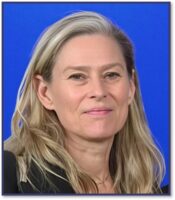
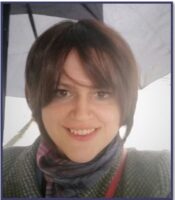
Researchers – Associate Professor – Clinicians



Engineers / Technical Staff

Postdoctoral Researchers
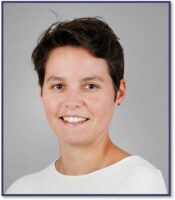
PhD Students

Contact
 Contact
CBG – Cancer and Brain Genomics – UMR1245
Bâtiment CURIB
Université de Rouen Normandie
25 rue Lucien Tesnières
76821 Mont-Saint-Aignan
Hélène Castel
helene.castel@univ-rouen.fr
Tel : +33 2 35 14 66 23
Mélanie Shaiek
melanie.shaiek@univ-rouen.fr
Tel : + 33 2 35 14 67 33
Our Supports
 Our Supports